SimuMech

Pipe Stress Workflow (CAESAR II)

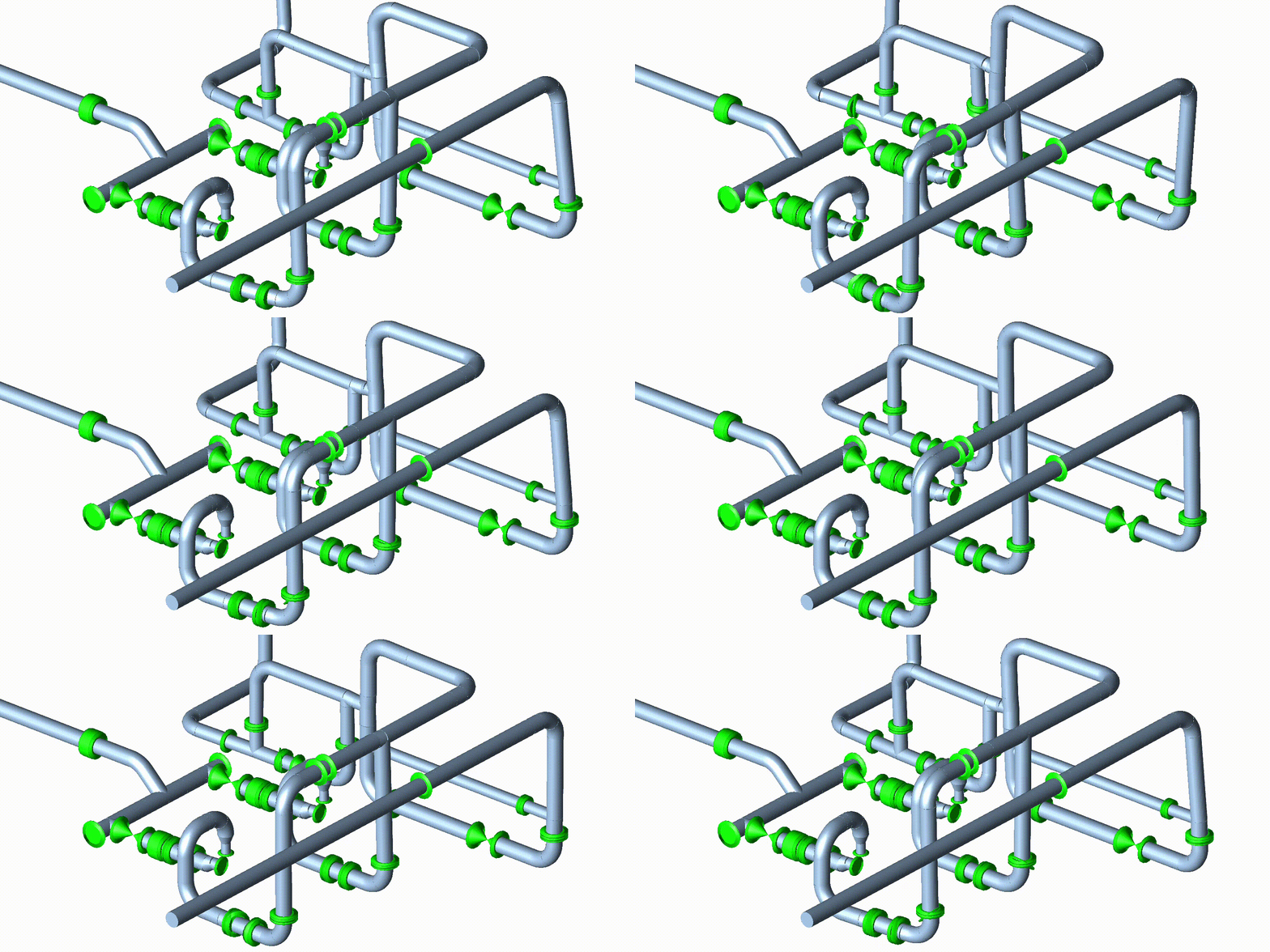
Designing and verifying industrial piping systems demands both precision and structure. At SimuMech, our engineers follow a disciplined, end-to-end workflow using CAESAR II to ensure that every system is safe, code-compliant, and buildable. Below is a detailed look at the full process — from project intake to final hand-over. Phase 1 — Intake, Scoping & … Read more

Bellows Expansion Joints vs Expansion Loops in Aboveground Piping: A Practical Engineering Comparison

Aboveground piping systems in industries such as oil & gas, steam generation, and process plants are subject to significant thermal expansion and contraction. If not properly managed, these dimensional changes can impose high stresses on piping, supports, and equipment—potentially leading to leaks, fatigue, or even structural failure. To absorb this thermal movement, two primary solutions … Read more

WATER HAMMER: THE NOT-SO-SILENT KILLER LURKING IN YOUR PIPES

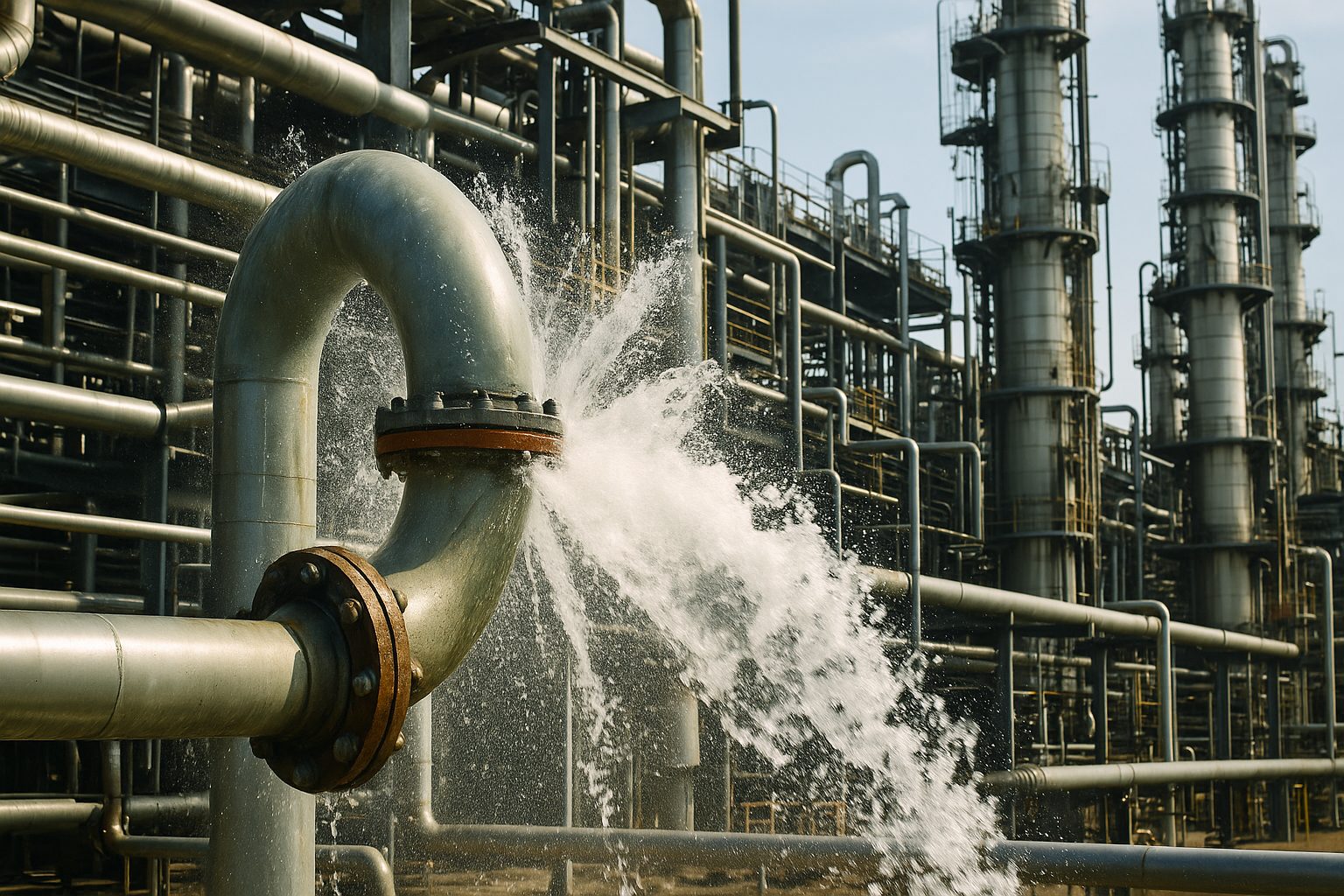
Water hammer, also known as hydraulic shock or surge, is a transient phenomenon in which a sudden change in fluid flow causes a rapid increase of internal pressure, or a pressure surge within a pipeline. This issue is of critical concern in many industries – including oil & gas, chemical processing, mining, and industrial water … Read more

Stress Intensification Factors (SIFs) in Pipe Stress Analysis

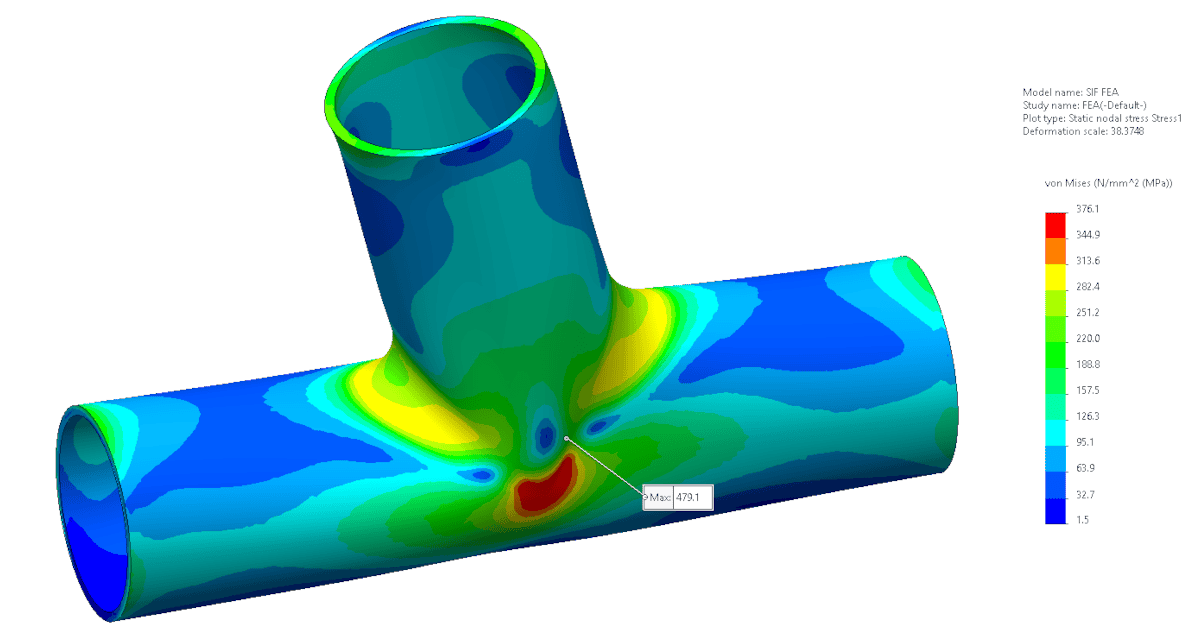
Introduction Pipe stress analysis is crucial for ensuring the integrity and reliability of piping systems in various industrial applications, such as oil and gas, chemical processing, power generation, and water treatment plants. This analysis is essential to prevent failures due to excessive stress, fatigue, or deformation. Piping systems consist of many components designed to form … Read more

Key Elements of a Comprehensive FEA Report: A Guide to Effective Finite Element Analysis Documentation

As Mechanical Consulting Engineers, we often find ourselves reviewing Finite Element Analysis (FEA) reports, either for design verification or because a client is unsatisfied with a previous analysis. Unfortunately, many of these reports lack crucial information, making proper verification difficult. Here, we outline the non-negotiable sections of an effective FEA report, ensuring clarity and completeness … Read more

Seismic Pipe Stress Analysis: Equivalent Static Method Vs. Response Spectrum Method

In regions prone to earthquakes, ensuring the resilience of piping systems against seismic loads is critical for the safety and continuity of industrial operations. Pipe stress analysis is fundamental in designing piping networks capable of withstanding such dynamic forces. Among the various analytical methods available, the Equivalent Static Method (ESM) and the Response Spectrum Method … Read more

When to perform a detailed Pipe Stress Analysis

When to perform a pipe stress analysis

We often receive inquiries from clients regarding the necessity of conducting a comprehensive pipe stress analysis and whether a more economical simplified analysis would suffice. Leveraging our extensive experience as leading pipe stress analysts, we have compiled a set of selection criteria based on the ASME B31.3 and industry standards. Before delving into these criteria, … Read more